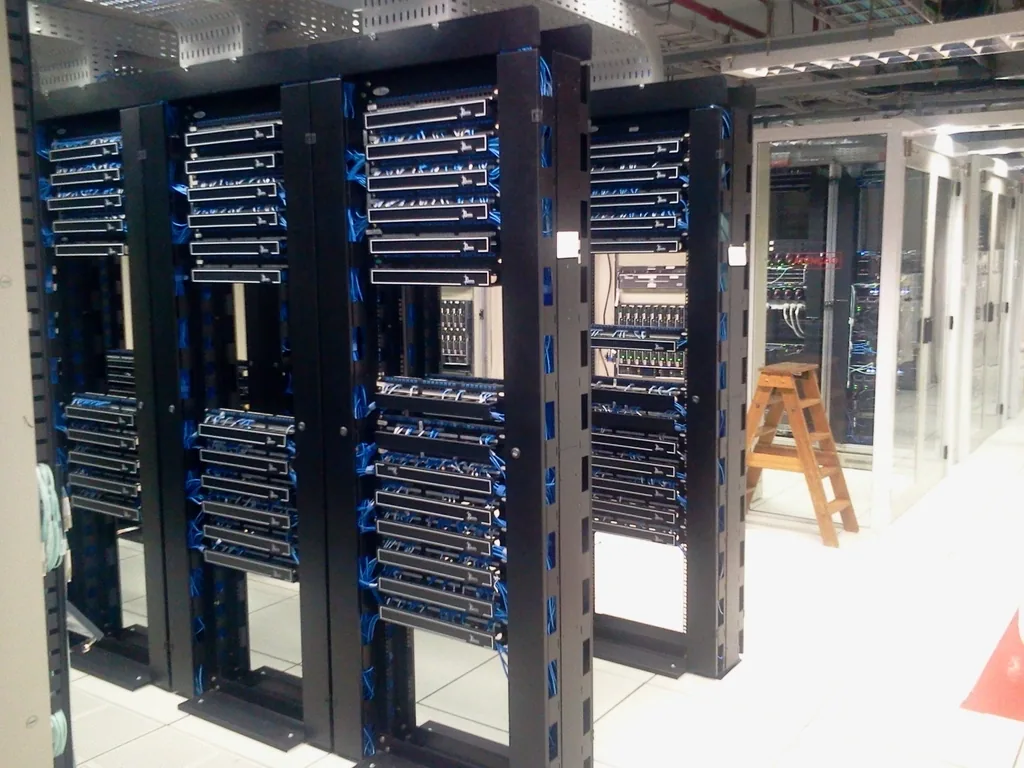
Chill Factor: Data Center Cooling at the Edge
Power consumption surges at massive data centers driven by AI demand. Operating teams face split-second decisions as cooling system limits approach fire and service outages.
At 2 a.m., the alarm lights in the central control room of ChillingTech Building 3 turned crimson in unison. There was no sound. The alarm was set to silent. Only red numerals filling the screen.
Sub-level 2, Building A, Rack Zone 7. The moment the temperature sensor hit 72 degrees Celsius, Senior Operations Lead Kang Hyun-woo shot from his chair. Design tolerance was 45 degrees. The numbers climbed per second. Twenty-five seconds earlier it read 68 degrees.
This year, his building doubled the artificial intelligence inference cluster. Before the cluster’s deployment, a single rack consumed an average of 12 kilowatts. Now it exceeded 80 kilowatts. Cooling equipment was designed for 20 kilowatts. ChillingTech’s capacity expansion plan, distributed three months prior, contained the phrase “maximum utilization of existing cooling infrastructure.” That phrase returned tonight as these figures.
Kang Hyun-woo set two teams in motion simultaneously. To Team 1, he ordered an immediate workload transfer of Zone A7 to Building B. To Team 2, he commanded manual startup of the emergency cooling pump. Two simultaneous calls, three fingers switching between three screens, his mind computing two outcomes in parallel. If both failed, the rack would ignite. If the rack burned, the entire building collapsed. Inside this building, real-time trading data for five of the nation’s major financial institutions flowed. The early-morning stock futures market. The currency systems ahead of Asian market opens. A major logistics company’s order processing servers. All tied here.
Workload transfer to Building B completed in 35 seconds.
The cooling pump did not respond.
Temperature climbed. 78 degrees. 81 degrees. One sensor in Zone A7 went dark. Whether shorted or heat-destroyed, there was no way to tell. Adjacent sensors indicated 85 degrees. Kang Hyun-woo rose and walked to the control room’s rear panel. There the fire suppression gate key hung. Spray water and all equipment was finished. Short circuits. Data loss. Recovery required at least four days minimum. Yet if he did not spray, there was fire. Fire meant people would be hurt.
He reached for the key.
That instant—the status light on Cooling Pump 2 glowed green. The temperature curve on the screen peaked at 87 degrees. One second passed; 86 degrees. Another second; 85 degrees. It was dropping.
79 degrees. 74 degrees. 68 degrees.
Kang Hyun-woo set the key down.
At 3:10 a.m., nothing stirred outside the building. Servers still ran, trading data unbroken by a single line. Had someone in this city checked the morning exchange rate, they would have known nothing had happened.
Kang Hyun-woo returned to his desk and opened the report file. The cursor blinked in the title field. He sat for a long time, then began recording not a title but tonight’s numbers. Rack power consumption: 80 kilowatts. Cooling design tolerance: 20 kilowatts. Pump response delay: 4 minutes 17 seconds. Fire suppression malfunction.
The crisis had passed. The building lived. Yet the gap between per-rack power consumption and cooling design remained unchanged. The fact that this gap would exist again tomorrow night remained likewise unchanged.
He did not know how far that report would climb.
This article is for information only and is not investment advice.